
Social Media Selling
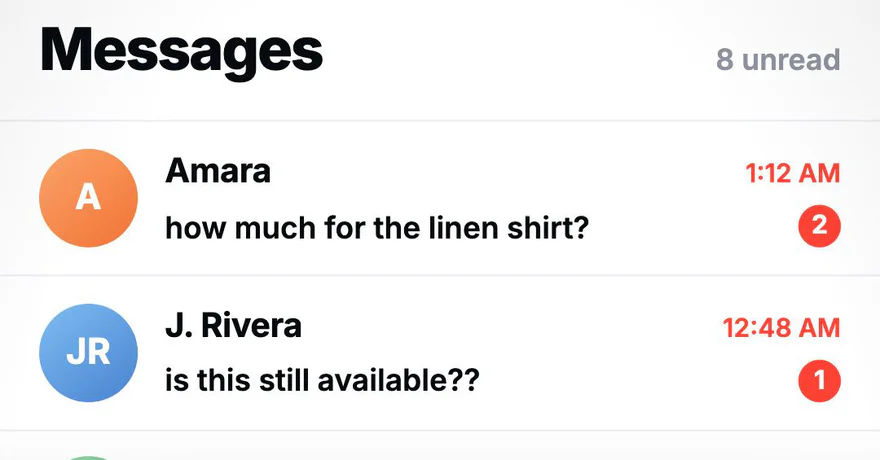
Instagram, Facebook and WhatsApp cost nothing to start on: post a photo, get a DM, make a sale. Order tracking falls apart once the messages pile up.
Instagram seller guideWhether you are selling on Instagram, listing on a marketplace, or starting from scratch, there are more ways to sell online today than ever before. This guide covers the main approaches, honest trade-offs, and practical next steps for each path.
Most online sellers use one or more of these three channels. Each has strengths and trade-offs.
Instagram, Facebook and WhatsApp cost nothing to start on: post a photo, get a DM, make a sale. Order tracking falls apart once the messages pile up.
Instagram seller guide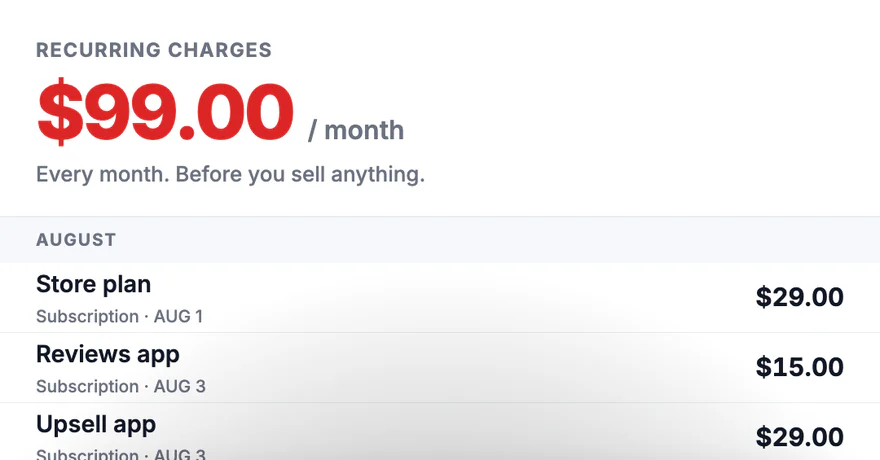
Amazon, eBay, Etsy and Daraz hand you millions of buyers for 5-30% a sale. Someone else's platform always bills you, by commission or by the month.
Marketplace vs own store comparison
Your brand, your pricing, your customer list, no commission on any of it. You bring the traffic yourself, which is the trade you are making.
Zero commission platform guideA common question for sellers who started on social media: should you keep going as-is, or upgrade to a proper store?
The honest answer is that most successful sellers do both. Instagram and WhatsApp are powerful for marketing and building an audience. But when it comes to managing orders, collecting payments, and building customer trust, a dedicated store handles these much better. The transition does not mean abandoning social media. It means using each channel for what it does best.
One of the biggest factors in choosing where to sell is what you pay per sale.
Marketplaces charge commissions on every transaction, typically 5-30% depending on the platform and category. Your own store eliminates this cost entirely. With platforms that charge Zero% transaction fees, you only pay the payment processor (2-3%) and an optional monthly subscription. For sellers doing any meaningful volume, the math strongly favors owning your store. But it is worth noting that marketplace traffic has real value too, which is why many sellers run both.
Payment methods, delivery, and what buyers expect change from market to market. These four guides cover the specifics.
Ready to start selling? Launch your store from $5 a month.
Start NowStart on a channel that costs nothing to list on. Instagram, Facebook, and WhatsApp let you post products and take orders through messages with zero upfront cost. Once order volume makes messages hard to track, move to your own store. Orderain is $5/mo, with Zero% platform fees, so the step up does not need capital.
For a first store, the platform that matters is the one you can launch without a developer. Shopify, Wix, and Squarespace all work but charge either transaction fees or higher monthly plans. Orderain generates the whole store from a description of your business and charges Zero% on sales, which is why beginners tend to reach a live store faster on it.
Marketplaces give you traffic you do not have to earn, at the cost of 5-30% commission, no branding, and no customer data. Your own store reverses all three. Most sellers who last do both: the marketplace for discovery, their own store for margin and repeat buyers. The marketplace vs own store guide walks through the numbers.
Building manually with WordPress and WooCommerce usually takes a few weeks once hosting, SSL, payment gateways, and a theme are configured. On a hosted AI platform it is minutes: you describe the business, the store is generated with product pages, checkout, and an order dashboard, and you edit from there.
Requirements differ by country. Most markets let an individual start selling and register once revenue crosses a threshold, though tax registration rules vary. The country guides above cover what applies in Pakistan, India, the UAE, and the USA. Check your local tax authority before you scale.
Three costs: the platform, the payment processor, and delivery. Payment processing is typically 2-3% and is unavoidable. The platform cost is the part that varies most, from Zero% of sales on Orderain to 5-30% commission on a marketplace. See the pricing page for the full breakdown.
Why Orderain
Orderain is a no-code ecommerce platform with Zero% transaction fees. Describe your business, and AI generates a complete store: product pages, checkout, payment integration, and order dashboard included. $5 a month. No coding, no designers, no hidden fees.
Social media, a marketplace, your own store, or all three. Wherever you start, your own store is the home base you fully control.