
Agentic ecommerce.
When the agent builds the store.
For thirty years, building an online store meant $300 theme marketplaces, paid app subscriptions, and developer invoices. Agentic ecommerce changes that. An AI agent does the work, and the same agent stays to run it.
What is
agentic ecommerce?
Agentic ecommerce is a category of ecommerce platform where an AI agent is the primary interface for building and running an online store. Instead of paying for a locked-in premium theme and clicking through a product editor and a settings panel, you describe what you want and the agent does it, or you pick an affordable theme and let the agent customise it for you.
The word agentic matters. A chatbot answers questions. An assistant suggests things. An agent actually does the work. Agentic platforms put that agent at the centre of every action, from initial store generation to ongoing management.
The shift is bigger than it sounds. For three decades, the bottleneck in starting an online business has been the work between having an idea and having a working store. Agentic ecommerce collapses that work into a conversation.
Agentic versus
traditional ecommerce.
The shift from expensive theme-and-app marketplaces to affordable, AI-customisable stores.
| Traditional ecommerce | Agentic ecommerce | |
|---|---|---|
| Building the store | Buy a $300 premium theme, install paid apps, configure settings. Weeks. | Pick an affordable theme or describe the business. The agent generates and customises it. Minutes. |
| Adding products | Manual entry per product, or CSV imports | Agent generates products and images from a description |
| Editing the store | Locked-in theme editor plus custom code and design skill, or a paid developer | "Change the hero to dark mode" through chat |
| Promoting the store | Design banners by hand or wire up separate tools | Ask the agent to add a promo banner or announcement to your storefront |
| Cost to launch | $500 to $5,000 in premium themes, paid apps, developers | From $5 a month. Affordable themes if you want a head start. |
| Time to first sale | Weeks to months | Same day to same week |
The four levels of
AI in ecommerce.
Most platforms market themselves as AI-powered. Few actually are. Here is how to tell the difference.
L0
No AI
Manual everything
Traditional ecommerce. Buy a premium theme, install paid apps, manually add products, manually run campaigns. No AI in the workflow.
Example: Most WooCommerce setups, legacy Magento
L1
AI Suggestions
AI helps, you still do the work
Platform has AI features that suggest product descriptions, recommend images, or auto-complete fields. You still do all the actual work yourself.
Example: Shopify Magic, Wix AI text generator
L2
AI Assistant
AI guides you through tasks
A conversational assistant that helps you find features and accomplish tasks faster, but is bolted onto an existing platform. The platform was not designed around it.
Example: Shopify Sidekick
L3
AI Agent (Build)
AI builds the store for you
The agent generates the entire store, including storefront, products, images, dashboard. You describe, the agent builds. The platform was designed around the agent from the start.
Example: Orderain Buddy at launch
L4
AI Agent (Run)
AI runs the store for you
The same agent stays after launch and helps run the business, answering your questions, managing orders, updating the storefront, and surfacing insights, with more on the way. You manage by exception.
Example: Where Orderain is heading
Most platforms today live at Level 1 or 2. A few are creeping into Level 3. Orderain is the first platform built natively at Level 3 and 4.
Why this
matters now.
Three things had to happen at once for agentic ecommerce to make sense. They have all happened in the last 18 months.
1. The cost of dev work hit a breaking point
A custom Shopify store costs $2,000 to $20,000 to build with a developer. A premium theme costs $300 to $800. Apps add $50 to $300 per month. For a small seller trying to launch a $500/month side business, this math has never worked. Agentic ecommerce removes that cost entirely: Orderain starts at $5 a month, themes are bundled or affordable, and Buddy customises them for you through chat.
2. AI models got good enough at composition
Two years ago, generating a product image was a novelty. Today it is production-ready. Two years ago, generating a coherent multi-page website was unreliable. Today it is reliable enough to ship. The capability ceiling is finally above the work to be done.
3. Sellers stopped wanting to be webmasters
First-time sellers are not aspiring web designers. They have a product, they have an audience, and they want to sell. The whole industry around premium themes, page builders, and "easy" store creators assumed sellers would enjoy the design process. That assumption was wrong. Agentic ecommerce respects that: pick an affordable Orderain theme and let the agent shape it, or skip themes entirely and prompt the whole store into existence.
Four stores,
four prompts.
These are real stores, generated by Buddy from real prompts. Each took under an afternoon to launch.
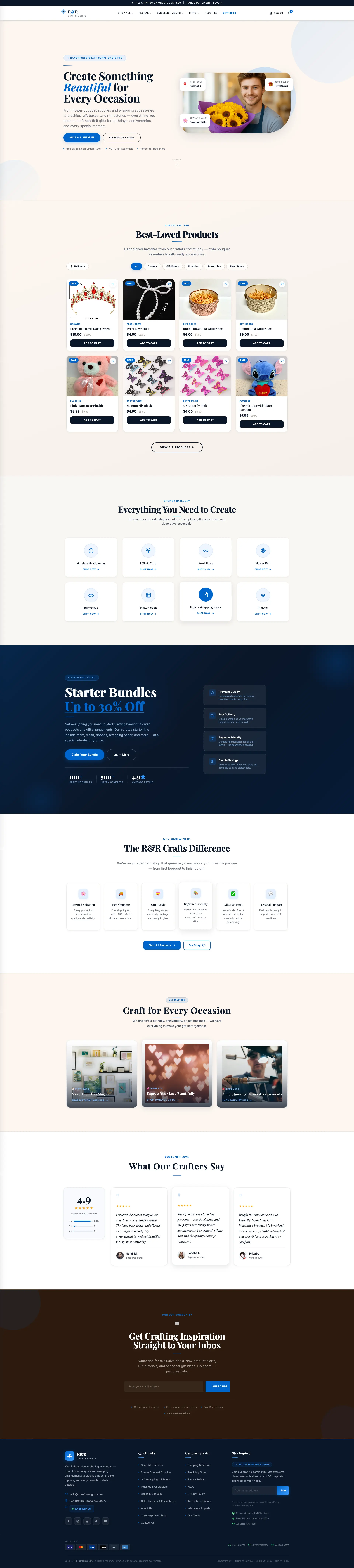 RR Crafts & Giftsrr-craftsandgifts.comA handcrafted gifts store generated for a US-based seller who had spent months stuck on WordPress.
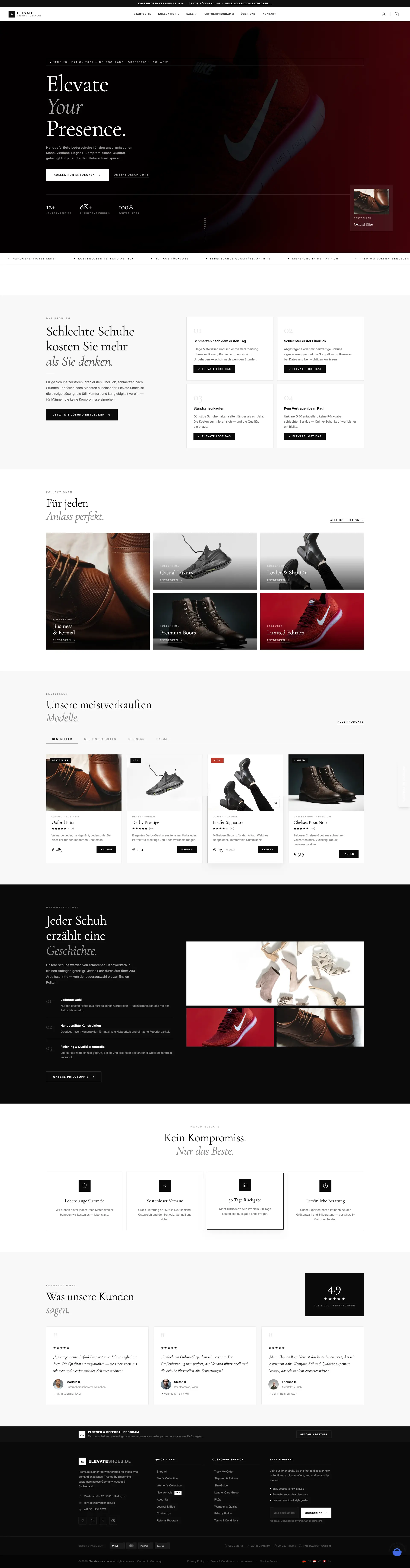 Elevate Shoeselevateshoesde.orderain.comA modern footwear catalog generated for a seller who described the brand vibe in two sentences.
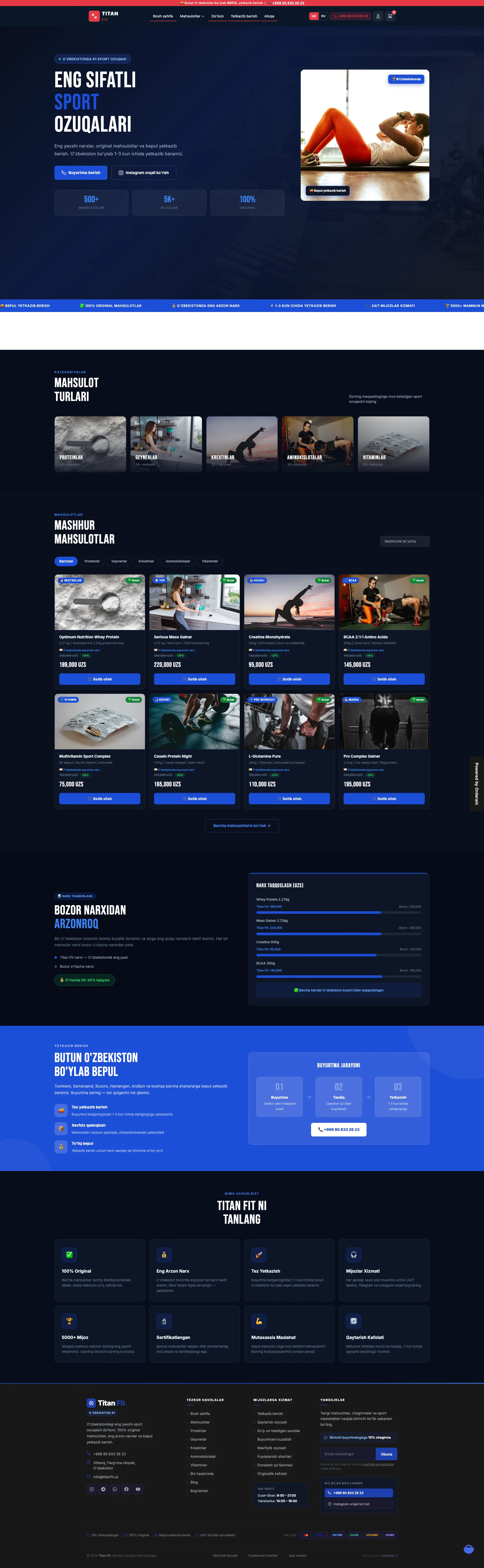 TitanFiittitanfiit.orderain.comA fitness equipment store, fully product-ready, generated and edited entirely through chat.
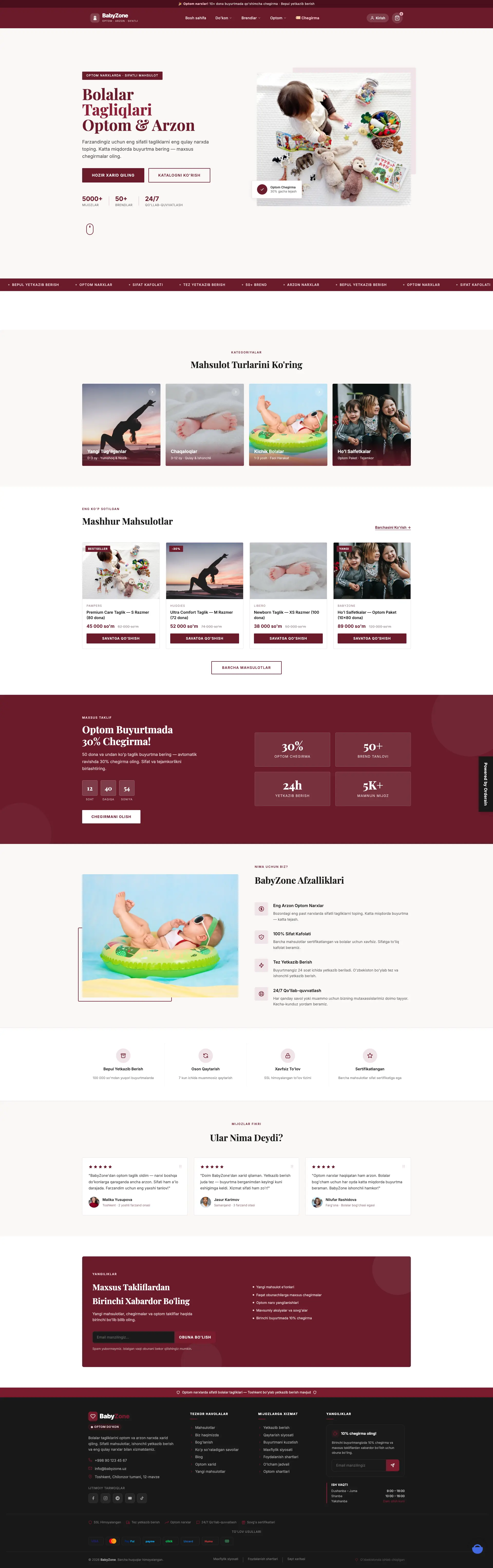 Baby Zonebabyzone.orderain.comA baby products store launched same-day by a seller who described the audience and aesthetic to Buddy.
 Where agentic commerce
is heading.
Generating the store is just the first inning. The next phase is the agent running more of the day-to-day with you: managing orders, keeping products and prices up to date, adding promo banners, and surfacing what is selling and what is not, all from chat. You manage by exception.
Within two years, the question of "how is your store doing" will be answered by your agent before you ask. Orders, marketing performance, inventory, customer service. All visible through one conversational interface that knows your business as well as you do.
Mobile is where this goes next. Orderain's iOS and Android apps are launching in the coming weeks, putting Buddy in your pocket so you can run your store from anywhere with the same simple chat interface.
The rest of
the argument.
Questions about
the category.
What does "agentic" mean in ecommerce?
Agentic means the AI takes action, not just answers questions. An agentic ecommerce platform lets you describe what you want, and the agent does the work, like building a storefront, adding products, editing pages, or managing your orders. The agent is the interface.
How is agentic ecommerce different from AI ecommerce?
AI ecommerce is any platform that uses AI somewhere, often just for suggestions or copy generation. Agentic ecommerce is specifically platforms where an AI agent is the primary way you build and run your store. All agentic ecommerce is AI ecommerce, but not all AI ecommerce is agentic.
Is agentic ecommerce only for small sellers?
No. Small sellers benefit most because the cost savings are huge for them, but agentic ecommerce also works for established brands launching second stores, agencies spinning up client projects, and enterprises testing new product lines fast. Anyone who wants speed over manual control benefits.
Are agentic ecommerce stores customizable?
Yes. Everything an agent generates remains editable. You can chat with the agent to make changes, or you can edit directly through the admin dashboard. Custom domains, custom code, payment integrations, all standard. The agent does not lock you in.
Will agentic ecommerce replace developers and designers?
For small to mid-size stores, much of the standard work yes. For highly custom or enterprise builds, no. Developers and designers move up the stack to focus on what AI cannot do well, like brand strategy, custom integrations, and unique experiences. The day-to-day of "build me a store page" goes away.
Which platforms are doing agentic ecommerce today?
Orderain is the only platform built natively around an AI agent from the ground up. Shopify is adding agentic features through Sidekick but their platform was not designed for it. Wix, Squarespace, and BigCommerce have AI features but no real agent. AI website tools like Lovable build pages but lack the commerce backend.
How can I try agentic ecommerce?
Orderain starts at $5 a month, cancel anytime. Sign up at orderain.com, describe your store to Buddy, and watch the agent generate a working ecommerce business in minutes.
Stop configuring.
Start describing.
Experience agentic ecommerce for yourself. Zero% platform fees, always.